Ironing Boards Since 2011
A Short History of the Ironing Board
The ironing board evolved from boards laid across chairs to purpose-built folding stands in the late nineteenth century, when several US patents for.
Ironing Board Fundamentals
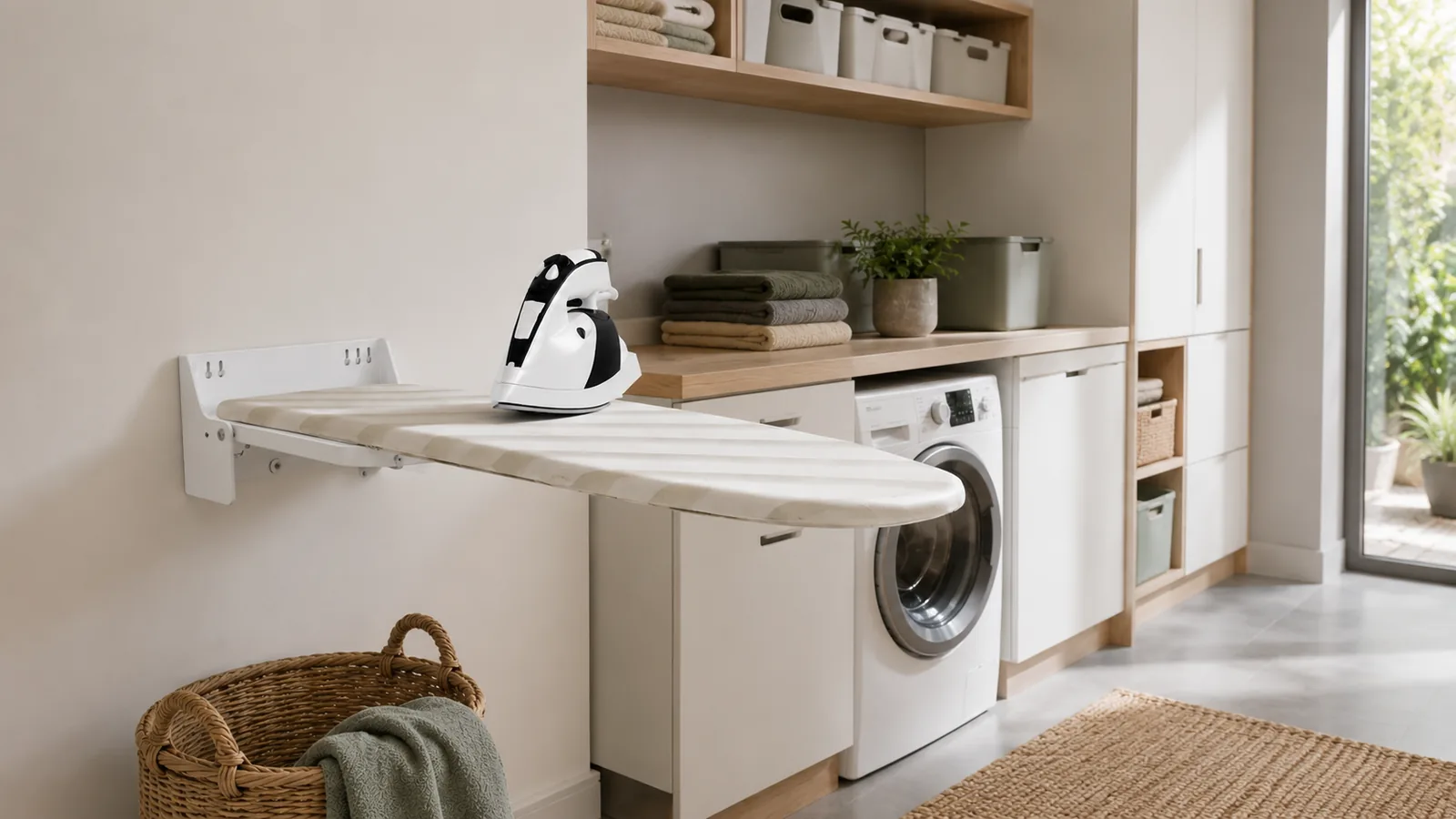
Direct answer: The ironing board evolved from boards laid across chairs to purpose-built folding stands in the late nineteenth century, when several US patents for folding and improved ironing boards were granted, including Sarah Boone's 1892 patent for a board shaped to press sleeves. Steel mesh tops, adjustable legs and built-in cabinet units followed in the twentieth century.
Key buyer questions
Who invented the modern ironing board?
Evaluate the question against the intended application, stored dimensions, usable surface and working clearance, and the exact model documentation. A representative sample and written approval record are the safest basis for a project decision.
When was the ironing board invented?
Evaluate the question against the intended application, stored dimensions, usable surface and working clearance, and the exact model documentation. A representative sample and written approval record are the safest basis for a project decision.
Why do ironing boards have a pointed end?
Evaluate the question against the intended application, stored dimensions, usable surface and working clearance, and the exact model documentation. A representative sample and written approval record are the safest basis for a project decision.
What did people iron on before ironing boards?
For history of the ironing board, begin with the intended user, storage location, and required workflow. The category name creates a shortlist; the exact drawing, instructions, sample, evidence, and commercial assumptions decide whether the product is suitable.
Review the relevant VENACE ironing board format, then confirm site dimensions and project requirements in writing before approval.
Which nineteenth-century patents shaped the folding board?
Choose history of the ironing board from the room, user, and workflow—not appearance alone. Compare storage location, usable ironing surface, opening movement, fixing method, working height, iron placement, service access, and expected frequency of use.
A space-saving ironing board belongs on the shortlist only when the stored and working envelopes fit. Use the same criteria for each candidate and review the current drawing plus a representative sample before standardizing a model across rooms or sales channels.
When did steel mesh tops and adjustable legs appear?
Compare materials for history of the ironing board by function: structural support, steam flow, heat exposure, surface finish, wear, cleaning, corrosion environment, and replacement availability. Similar-looking parts can have different grades and constructions.
For repeat orders, record the material description, finish system, color reference, cover layers, compatible replacement, and approved sample. Support performance claims with a named test method and evidence for the exact model.
When did built-in and wall-mounted boards become common?
Installation of a space-saving ironing board starts with the wall or cabinet construction, fixing locations, stored dimensions, usable surface and working clearance, and access to each mounting point. Fastener selection must follow the actual substrate, loads, current drawing, and local practice.
Check the complete opening and rotation path before drilling or cutting. Coordinate doors, drawers, shelves, appliances, outlets, circulation, and service access; structural or electrical work should be handled by qualified people where required.
How have small homes and hotels changed the board?
For history of the ironing board, map the operating cycle: who installs, opens, uses, inspects, stores, cleans, and services the board. Room layout, turnover, storage control, hot-iron handling, replacement covers, and spare parts shape the specification.
Before a multi-room rollout, test the proposed model in a representative room. Record installation time, interference, user reach, housekeeping checks, damage risks, and replacement-part needs, then keep the signed sample and revision as the project baseline.
Where can readers verify these milestones?
For history of the ironing board, begin with the intended user, storage location, and required workflow. The category name creates a shortlist; the exact drawing, instructions, sample, evidence, and commercial assumptions decide whether the product is suitable.
Review the relevant VENACE ironing board format, then confirm site dimensions and project requirements in writing before approval.
What evidence should support the decision?
Connect each decision to current, model-specific evidence. Retain the application brief, revision-controlled drawing, approved sample, quotation, and purchase specification so the delivered product can be checked against the same baseline.
| Decision point | What to confirm | Evidence to retain |
|---|---|---|
| Application | Defines the correct product family | Room or cabinet brief |
| Specification | Makes offers comparable | Revision-controlled drawing |
| Sample | Tests fit, movement, and finish | Approved sample record |
| Order | Aligns quality, packaging, and delivery | Purchase specification |
How should a buyer use this information?
Use this page as a screening and briefing tool for A Short History of the Ironing Board. Turn the relevant points into a written requirement, compare candidates against the same baseline, and retain the drawing, sample, evidence, and approval revision that supports the decision.
What should you send with an inquiry?
- Buyer type, destination market, and intended application
- Preferred ironing board format or current model reference
- Site, wall, or cabinet dimensions with marked reference points
- Trial quantity and expected order quantity
- Finish, branding, packaging, and documentation requirements
- Requested delivery window and destination
Frequently asked questions
Who invented the ironing board?
Evaluate the question against the intended application, stored dimensions, usable surface and working clearance, and the exact model documentation. A representative sample and written approval record are the safest basis for a project decision.
When was the folding ironing board patented?
Evaluate the question against the intended application, stored dimensions, usable surface and working clearance, and the exact model documentation. A representative sample and written approval record are the safest basis for a project decision.
Why are ironing boards pointed at one end?
Evaluate the question against the intended application, stored dimensions, usable surface and working clearance, and the exact model documentation. A representative sample and written approval record are the safest basis for a project decision.
When were built-in ironing boards introduced?
Evaluate the question against the intended application, stored dimensions, usable surface and working clearance, and the exact model documentation. A representative sample and written approval record are the safest basis for a project decision.