Ironing Boards Since 2011
Ironing Board Safety Guide: Burns, Tip-Over and Children
The main ironing board risks at home are burns from the iron and steam, a board tipping or collapsing under a heavy iron, and children pulling on the cord.
Planning Tools & Resources
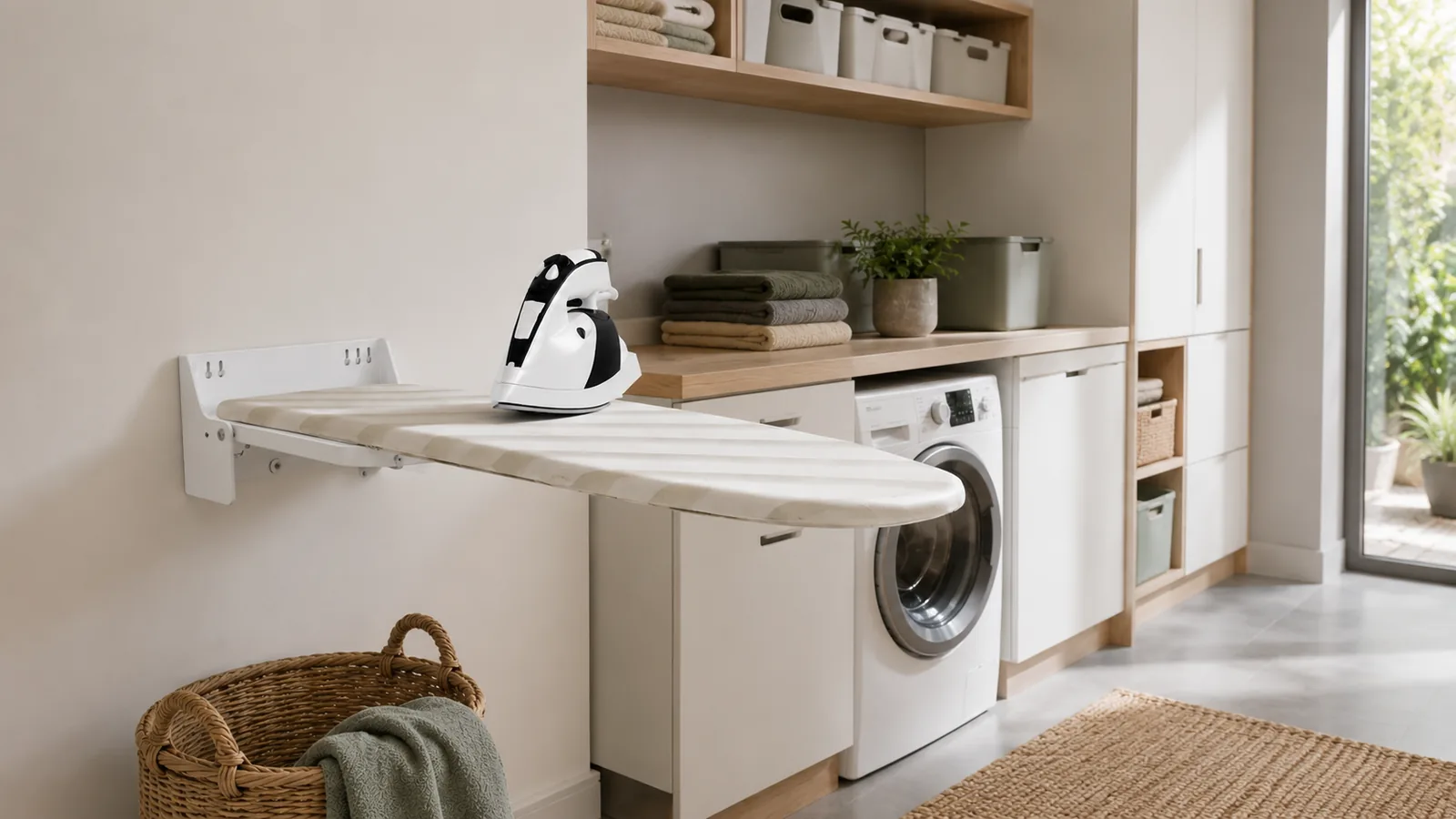
Direct answer: The main ironing board risks at home are burns from the iron and steam, a board tipping or collapsing under a heavy iron, and children pulling on the cord or board. Stable formats such as wall-mounted and built-in boards, a proper iron rest, a cord that cannot be reached from the floor, and unplugging before leaving reduce all three.
Key buyer questions
How can I make ironing safer with children in the house?
Evaluate the question against the intended application, stored dimensions, usable surface and working clearance, and the exact model documentation. A representative sample and written approval record are the safest basis for a project decision.
Which ironing board is the most stable?
Evaluate the question against the intended application, stored dimensions, usable surface and working clearance, and the exact model documentation. A representative sample and written approval record are the safest basis for a project decision.
What are common ironing accidents at home?
Evaluate the question against the intended application, stored dimensions, usable surface and working clearance, and the exact model documentation. A representative sample and written approval record are the safest basis for a project decision.
What are the main ironing board risks at home?
Safety for ironing board safety depends on stable support, controlled movement, secure storage, a clear hot-iron position, correct installation, and instructions suited to the intended user. Review normal use, foreseeable misuse, cleaning, and service.
Do not infer a load rating, accessibility claim, or child-safety claim from appearance. Confirm the exact model’s instructions and evidence, and involve a qualified installer or occupational specialist when the site or user has additional needs.
How does the board format change safety?
Choose ironing board safety from the room, user, and workflow—not appearance alone. Compare storage location, usable ironing surface, opening movement, fixing method, working height, iron placement, service access, and expected frequency of use.
A space-saving ironing board belongs on the shortlist only when the stored and working envelopes fit. Use the same criteria for each candidate and review the current drawing plus a representative sample before standardizing a model across rooms or sales channels.
How do you keep children away from a hot iron?
Safety for ironing board safety depends on stable support, controlled movement, secure storage, a clear hot-iron position, correct installation, and instructions suited to the intended user. Review normal use, foreseeable misuse, cleaning, and service.
Do not infer a load rating, accessibility claim, or child-safety claim from appearance. Confirm the exact model’s instructions and evidence, and involve a qualified installer or occupational specialist when the site or user has additional needs.
What should an iron rest do?
Compare materials for ironing board safety by function: structural support, steam flow, heat exposure, surface finish, wear, cleaning, corrosion environment, and replacement availability. Similar-looking parts can have different grades and constructions.
For repeat orders, record the material description, finish system, color reference, cover layers, compatible replacement, and approved sample. Support performance claims with a named test method and evidence for the exact model.
How do you set up the cord safely?
For ironing board safety, begin with the intended user, storage location, and required workflow. The category name creates a shortlist; the exact drawing, instructions, sample, evidence, and commercial assumptions decide whether the product is suitable.
Review the relevant VENACE ironing board format, then confirm site dimensions and project requirements in writing before approval.
What is the safest routine when you finish ironing?
Compare materials for ironing board safety by function: structural support, steam flow, heat exposure, surface finish, wear, cleaning, corrosion environment, and replacement availability. Similar-looking parts can have different grades and constructions.
For repeat orders, record the material description, finish system, color reference, cover layers, compatible replacement, and approved sample. Support performance claims with a named test method and evidence for the exact model.
What evidence should support the decision?
Connect each decision to current, model-specific evidence. Retain the application brief, revision-controlled drawing, approved sample, quotation, and purchase specification so the delivered product can be checked against the same baseline.
| Decision point | What to confirm | Evidence to retain |
|---|---|---|
| Stored envelope | Protects cabinet and room planning | Closed-position drawing |
| Working envelope | Prevents doors and circulation conflicts | Open-position drawing |
| Fixing condition | Supports installation planning | Wall or panel specification |
| User workflow | Confirms reach and iron placement | Sample-room review |
How should a buyer use this information?
Use this page as a screening and briefing tool for Ironing Board Safety Guide: Burns, Tip-Over and Children. Turn the relevant points into a written requirement, compare candidates against the same baseline, and retain the drawing, sample, evidence, and approval revision that supports the decision.
What should you send with an inquiry?
- Buyer type, destination market, and intended application
- Preferred ironing board format or current model reference
- Site, wall, or cabinet dimensions with marked reference points
- Trial quantity and expected order quantity
- Finish, branding, packaging, and documentation requirements
- Requested delivery window and destination
Frequently asked questions
Can an ironing board tip over with a steam generator on it?
It may be possible, but the answer depends on the selected product, site conditions, and project specification. Verify the current drawing, instructions, and a representative sample before treating the option as approved.
Is a wall-mounted board safer than a freestanding one?
Installation depends on the exact model and the wall or cabinet construction. Follow the current instructions, coordinate clearances first, and use qualified structural or electrical help where the work or local rules require it.
Should the board be put away after every use?
Evaluate the question against the intended application, stored dimensions, usable surface and working clearance, and the exact model documentation. A representative sample and written approval record are the safest basis for a project decision.
What should I do if the cover scorches?
Use the exact model reference when requesting care instructions, covers, or service parts. Confirm compatible part numbers, availability, replacement method, and warranty terms in the current supplier documentation.